


Welcome to your ultimate guide on embarking on a rewarding career in technology! At TechNexusAI, we’re here to help you navigate the dynamic landscape of tech careers, offering insights into key sectors, educational pathways, skill-building strategies, and effective job search tips.
Why Choose a Career in Tech?
Technology careers are booming, offering opportunities for innovation and growth. Here are some compelling reasons to consider a tech career:
- High Demand: The tech industry is expanding rapidly, with jobs like software developers and cybersecurity experts in high demand. The U.S. Bureau of Labor Statistics predicts a 22% growth in software development jobs over the next decade.
- Diverse Opportunities: From software development to data science, tech offers a variety of roles. You can find positions in fields like artificial intelligence, machine learning, and cybersecurity.
- Remote Work Flexibility: The rise of remote work in tech opens doors for global talent, allowing diverse professionals to contribute from anywhere in the world.
Understanding the Tech Industry
The tech industry is expansive, featuring several key sectors that are crucial for driving innovation and economic growth. Here’s a closer look at some of the most significant areas within this dynamic field:
1. Software Development
Software development is a foundational area of the tech industry, focusing on the creation of applications for web and mobile platforms. According to the U.S. Bureau of Labor Statistics, jobs in software development are projected to grow by 22% over the next decade. This robust growth makes it an attractive career option for those seeking stability and opportunities for advancement.
2. Cybersecurity

As cyber threats become increasingly prevalent, cybersecurity has emerged as a critical sector within tech. The global cybersecurity market is expected to reach $345 billion by 2026, highlighting the urgent need for skilled professionals in this field. Careers in cybersecurity not only offer competitive salaries but also contribute to protecting sensitive information and infrastructure.
3. Data Science
Data science is among the fastest-growing job categories, driven by the increasing need for data-driven insights. Companies are now relying on data analysts and scientists to interpret complex data sets and guide strategic decision-making. This trend underscores the importance of data literacy and analytics skills in the modern workforce.
4. Artificial Intelligence (AI) and Machine Learning (ML) (AI &ML)

AI and ML are transforming how businesses operate, making them integral to tech advancements. A report from McKinsey indicates that 50% of companies will adopt AI in at least one business function by 2022. This technology is enhancing efficiency and enabling companies to leverage vast amounts of data for better outcomes.
5. Remote Work Opportunities
The shift to remote work has become a norm in the tech industry, opening up opportunities for global talent. Professionals from diverse backgrounds can now collaborate seamlessly across borders, enriching teams with varied perspectives and experiences.
6. Importance of Continuous Learning
In the fast-paced tech industry, continuous learning is essential. Technologies evolve rapidly, and keeping up with the latest trends is crucial for remaining competitive. Engaging in professional development through courses, certifications, and workshops can help you stay relevant and sharpen your skills.
By understanding these key sectors and trends, you can better navigate your career path in the tech industry and position yourself for success.
Educational Pathways
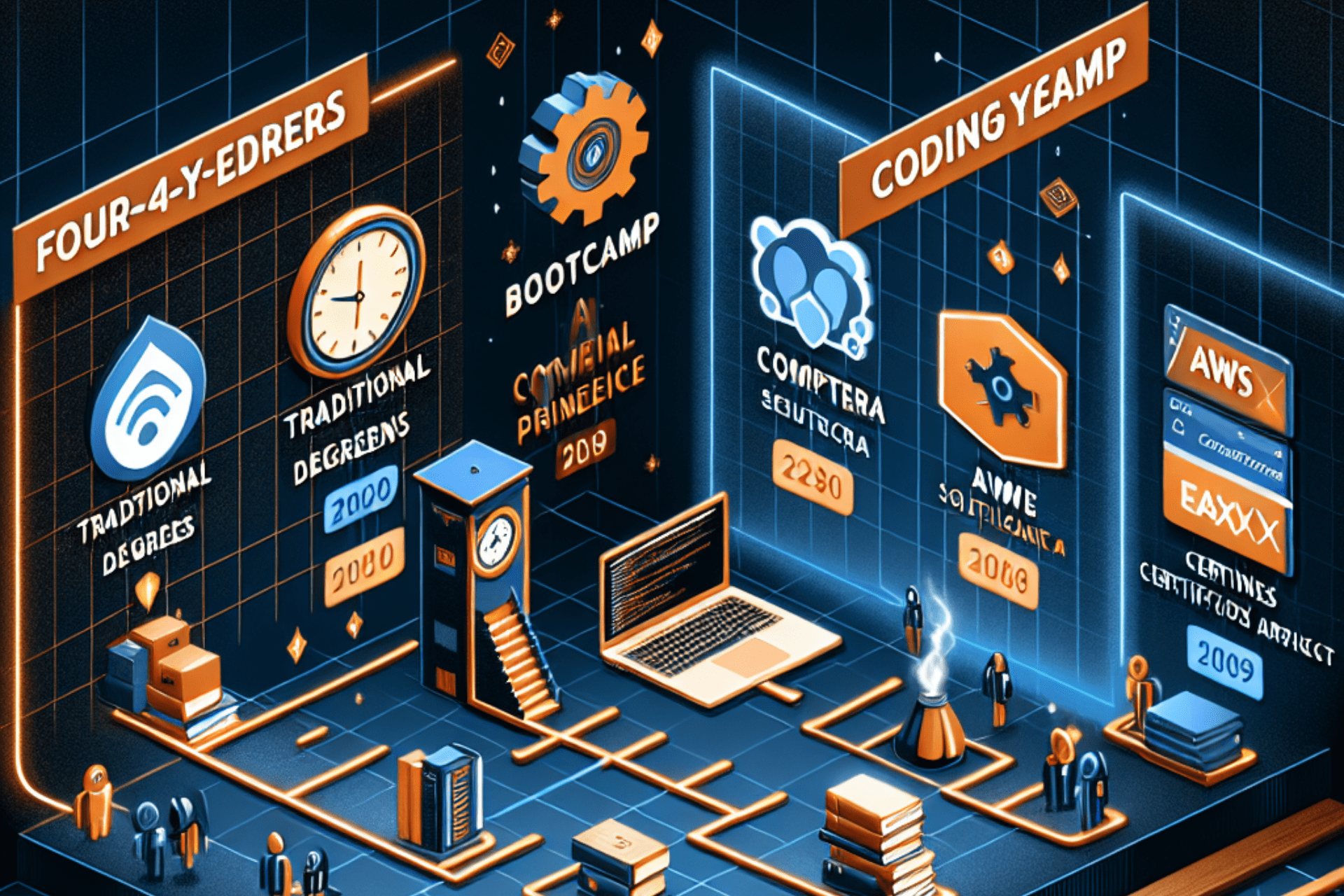
Choosing the right educational path is crucial for your tech career:
- Traditional Degrees: A degree in computer science or engineering provides a solid foundation but may take up to four years to complete.
- Coding Bootcamps: These intensive programs offer practical training in a short time. According to Course Report, 74% of bootcamp graduates secure jobs in related fields.
- Online Learning Platforms: Websites like Coursera and edX offer specialized courses from top universities, allowing you to learn at your own pace.
- Certifications: Credentials like CompTIA Security+ and AWS Certified Solutions Architect can enhance your resume and showcase your expertise.
Building Essential Technical Skills
Technical skills are vital for a successful career in tech. Focus on these areas:
- Programming Languages: Learn popular languages such as Python, JavaScript, or Ruby. Python, in particular, is versatile and widely used in data science and web development.
- Version Control Systems: Familiarize yourself with Git and platforms like GitHub to collaborate effectively on projects.
- Hands-on Practice: Engage in personal projects or contribute to open-source communities to reinforce your learning and build a robust portfolio.
Gaining Practical Experience
Experience is key to landing your first tech job:
- Internships and Co-ops: These programs provide valuable industry exposure and hands-on experience. As indicated by NACE, 60% of businesses favor up-and-comers with temporary position insight.
- Build a Portfolio: Showcase your skills through a personal website, coding projects, and freelance work. Research shows that 70% of employers consider portfolios during hiring.
- Open-source Contributions: Participating in open-source projects demonstrates collaboration and problem-solving skills.
Effective Job Search Strategies
Navigating the job market requires strategic planning:
- Networking: Use LinkedIn to connect with industry professionals. Aim for 500+ connections to increase your visibility.
- Tailored Resumes: Customize your resume for each application, emphasizing relevant skills and quantifiable achievements.
- Interview Preparation: Use resources like “Cracking the Coding Interview” for practice questions and mock interviews to build your confidence.
Transitioning and Advancing in Tech
Once you enter the tech industry, focus on continuous growth:
- Lifelong Learning: Stay updated by attending conferences, and workshops, and obtaining advanced certifications. Engage with online communities to stay informed.
- Career Specialization: Identify your interests, such as data science or cybersecurity, and pursue specialized training to enhance your expertise.
- Leadership Development: Cultivate soft skills like communication and problem-solving. Consider project management courses or obtaining a PMP certification.
- Mentorship: Seek a mentor for guidance and support throughout your career journey. Tutors can give priceless experiences and guidance.
Building Your Personal Brand
Establishing a strong personal brand is essential in the tech industry:
- Contribute to Industry Publications: Write articles or blogs to showcase your knowledge and insights.
- Engage on Social Media: Maintain a professional presence on platforms like LinkedIn to enhance your visibility and reputation.
Overcoming Challenges in the Tech Industry
The tech landscape comes with its challenges. Here’s how to tackle them:
- Coping with Rapid Change: Develop a routine for continuous learning. Embrace a growth mindset to view change as an opportunity.
- Work-Life Balance: Set clear boundaries and personal goals to maintain balance, especially in flexible or remote roles.
- Navigating Diversity: Embrace inclusivity and empathy in diverse workplaces. Participate in diversity training programs to broaden your perspective.
- Combating Imposter Syndrome: Acknowledge your achievements and seek feedback to build confidence and reduce self-doubt.
Conclusion
Navigating a successful career in the tech industry requires a well-rounded strategy that encompasses several key elements. Here is an outline of what you want to zero in on:
1. Effective Preparation
Starting your tech career involves crafting a standout resume and honing your interview skills. These are critical first steps for anyone entering the field. Utilize platforms like GitHub and Stack Overflow to showcase your coding abilities and engage with the community. These resources provide invaluable support and help you connect with other professionals.
2. Continuous Learning and Skill Enhancement
As you establish your footing in the tech industry, it’s essential to continuously seek opportunities for learning. Staying updated with the latest trends through courses and certifications will keep your skills sharp and relevant. Engaging in meaningful work requires a commitment to ongoing development.
3. Embracing Career Transitions
Transitioning within the tech industry involves a commitment to lifelong learning and career specialization. Identify areas of interest, such as data science or cybersecurity, to enhance your expertise and open doors to niche markets with growing demand. Additionally, developing leadership skills and expanding your professional network are crucial for advancement.
4. Overcoming Challenges
The tech landscape is filled with opportunities but also presents challenges. Managing rapid technological change, achieving work-life balance, and fostering diversity in the workplace are ongoing hurdles that require proactive strategies. Addressing issues like imposter syndrome is vital for building a resilient mindset.
5. Cultivating Soft Skills
In addition to technical expertise, soft skills such as communication, teamwork, and project management are essential for success. These skills will prepare you for leadership roles and increase your impact within an organization.
Ultimately, the tech industry rewards those who are adaptable, ambitious, and committed to continuous self-improvement. By focusing on these strategies, you can create a fulfilling and forward-thinking career pathway. Embrace the journey ahead, and remember that growth and satisfaction come from a proactive approach to both challenges and opportunities.
For more resources and guidance, visit TechNexusAI.com today! career in tech
Want to Know about: AI Evolution in 2030 and Beyond visit our AI Category or click on the link here: https://technexusai.com/ai-evolution-in-2030-and-beyond/
Want to know about: iPhone 16 Pro Max

1 Comment
Good source of new learning nowadays.